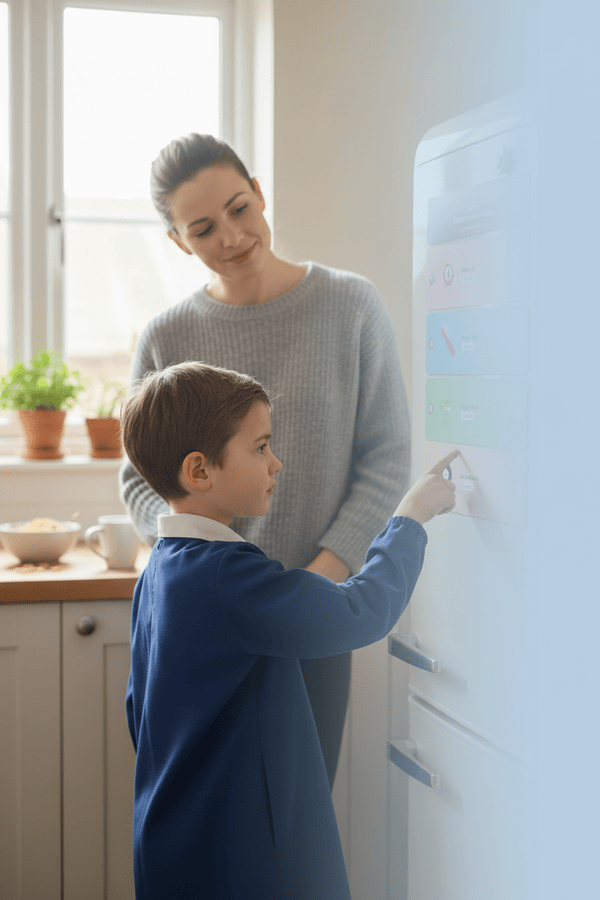
Why families use a adhd routine chart for kids
An ADHD routine chart helps kids move from intention to action when executive function is the real challenge. Many children with ADHD know what they are supposed to do, but struggle to start, sequence, and finish tasks without prompts. A visual routine externalizes that process. Instead of holding every step in working memory, your child can look, act, and move to the next item. This reduces overwhelm and makes routines feel possible rather than impossible.
The key is to keep steps short and concrete. Break large activities into small wins your child can complete in five to fifteen minutes. Add movement between focus blocks because physical resets improve attention for many ADHD learners. You can also use simple timers and visual countdowns to reduce time blindness. Charts work best when they remove ambiguity, so use direct language like pack folder, start math, or set out clothes for tomorrow.
How to make this adhd routine chart for kids work at home
Avoid overloading the chart with every possible task. Start with your highest friction moments, usually morning prep, afterschool homework, or bedtime shutdown. Build consistency first, then expand. Use immediate positive feedback when tasks are completed, such as check marks, points, or short choice based rewards. Keep feedback specific and neutral. You started homework after your timer is much more effective than broad praise that does not connect to behavior.
The preloaded ADHD chart on this page includes focused work blocks, movement breaks, and transition cues so you can start quickly. Edit step names to match your childs age and learning needs, then print and place it in the routine zone. Most families see better follow through when the same sequence is used daily. Over time, this builds planning habits and independence while lowering the number of reminders you need to give.
What to include in your printable adhd schedule
Most families get the best results when the printable mirrors the real transition points that happen every day. For this adhd routine chart for kids, that usually means keeping the routine anchored around quick start checklist, focus block 1, movement break, focus block 2, and one final completion step your child can recognize without extra explanation. When the sequence is visible and realistic, children spend less time asking what comes next and more time moving through the routine with confidence.
This DaylyKid template already includes 7 editable steps, so you can shorten, rename, or reorder tasks without starting over. That makes it easier to build a reusable printable for school days, weekends, therapy days, or travel days while keeping the same visual language. Searchers looking for a adhd routine chart for kids or printable adhd schedule usually want something practical they can print and use immediately, so the strongest version is the one your family can repeat consistently.
- Quick Start Checklist (5 min)
- Focus Block 1 (15 min)
- Movement Break (7 min)
- Focus Block 2 (15 min)
- Pack Materials (6 min)
Tips for better follow-through with adhd routine chart for kids
Review the chart before the routine begins, not only after resistance starts. Point to one next step, use short praise after completion, and keep your prompts consistent from day to day. Children are more likely to follow a visual plan when it feels like a shared roadmap instead of another correction delivered in the moment.
You can also improve follow-through by pairing the printable with simple environmental supports. Put the chart at eye level, lay out materials ahead of time, and use one predictable transition phrase so the routine feels familiar. Those small adjustments are especially helpful around quick start checklist and focus block 1, because those moments tend to create the most friction when a child is rushed, distracted, or tired.