Why families use a afterschool routine chart
The hours after school are often the hardest part of the day for families. Kids arrive tired, hungry, and overloaded from transitions, while parents are trying to balance work, dinner, and activities. An afterschool routine chart brings order to that noisy window by setting a consistent sequence your child can follow. Instead of jumping straight into homework battles, the chart creates a predictable reset period and helps everyone move through the afternoon with fewer conflicts.
A strong afterschool sequence usually starts with unpacking and a snack, then moves into decompression before focused tasks. Many children need fifteen to twenty minutes of low demand time after school before they can concentrate. Include this on the chart so downtime feels intentional, not like procrastination. Once your child has reset, transition to homework, reading, and one small household responsibility. This balance supports both academic goals and emotional regulation.
How to make this afterschool routine chart work at home
Keep instructions concrete and measurable. Replace do homework with math worksheet and reading log, or set a timer for first homework block. Add quick wins early in the routine to build momentum. If your child has activities, create alternate versions for activity and non activity days while keeping the first few steps identical. That consistency prevents daily negotiation because your child always knows how afterschool starts, even if the ending changes.
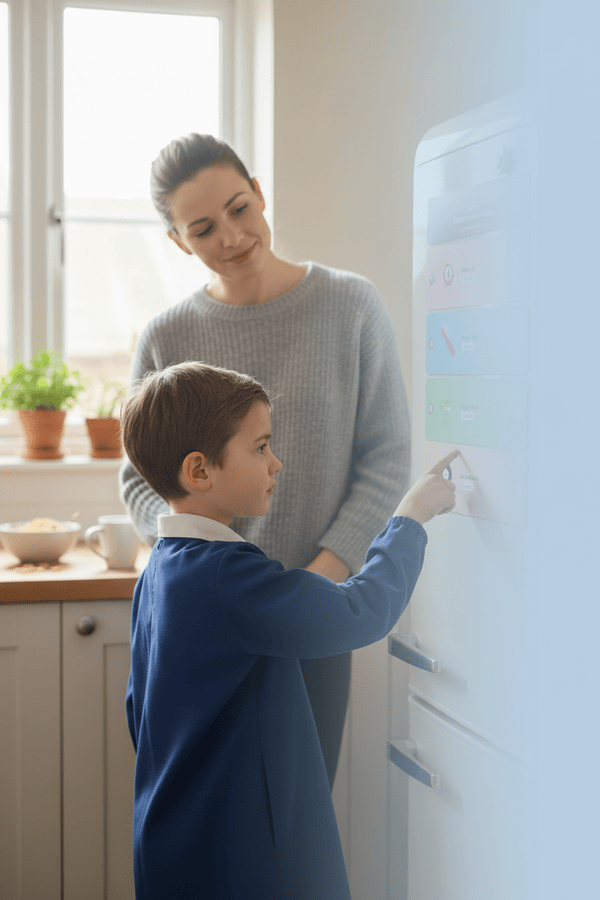
This page includes a preloaded afterschool chart template you can customize in minutes. You can rename tasks, adjust time blocks, and print a version for the fridge or study area. Try the same routine for one full week before making big changes so your child has time to adapt. Families who stick with a visual plan usually see smoother transitions, faster homework starts, and calmer evenings overall.
What to include in your after school schedule for kids
Most families get the best results when the printable mirrors the real transition points that happen every day. For this afterschool routine chart, that usually means keeping the routine anchored around unpack backpack, have a snack, take a short break, homework block 1, and one final completion step your child can recognize without extra explanation. When the sequence is visible and realistic, children spend less time asking what comes next and more time moving through the routine with confidence.
This DaylyKid template already includes 7 editable steps, so you can shorten, rename, or reorder tasks without starting over. That makes it easier to build a reusable printable for school days, weekends, therapy days, or travel days while keeping the same visual language. Searchers looking for a afterschool routine chart or after school schedule for kids usually want something practical they can print and use immediately, so the strongest version is the one your family can repeat consistently.
- Unpack Backpack (5 min)
- Have a Snack (12 min)
- Take a Short Break (15 min)
- Homework Block 1 (25 min)
- Read for 15 Minutes (15 min)
Tips for better follow-through with afterschool routine chart
Review the chart before the routine begins, not only after resistance starts. Point to one next step, use short praise after completion, and keep your prompts consistent from day to day. Children are more likely to follow a visual plan when it feels like a shared roadmap instead of another correction delivered in the moment.
You can also improve follow-through by pairing the printable with simple environmental supports. Put the chart at eye level, lay out materials ahead of time, and use one predictable transition phrase so the routine feels familiar. Those small adjustments are especially helpful around unpack backpack and have a snack, because those moments tend to create the most friction when a child is rushed, distracted, or tired.