Why families use a bedtime routine chart printable
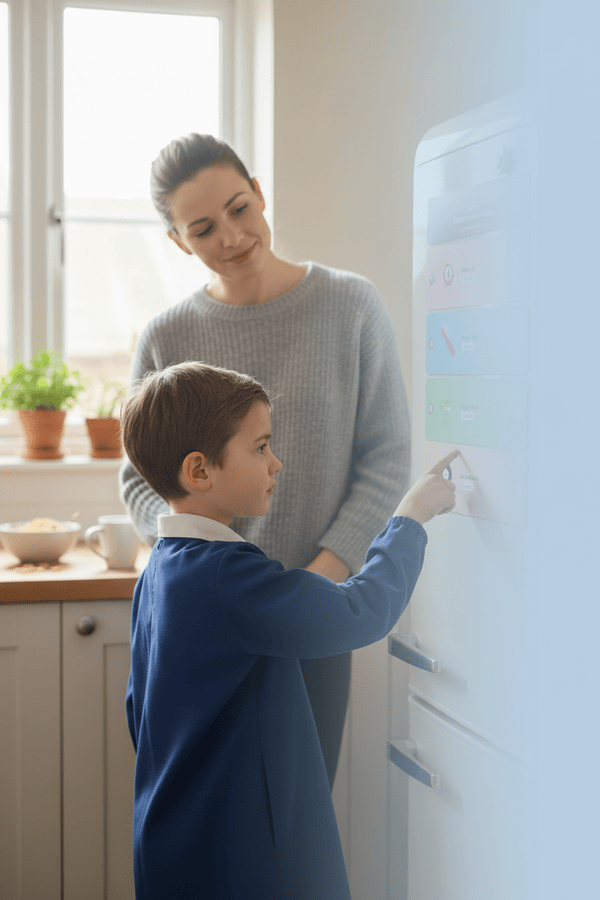
If bedtime feels like a second full work shift, you are not alone. Most kids are not resisting sleep itself; they are resisting transitions. A bedtime routine chart printable gives structure to those transitions so your child can see what happens next without negotiating every step. That visual sequence lowers anxiety, reduces power struggles, and helps kids move from high energy to calm in a way that feels safe and repeatable. Instead of repeating instructions, you can point to the chart and keep your tone neutral.
Start by choosing five to seven steps your family can do consistently every night. Keep it realistic. If your current routine takes an hour and a half, a chart will not fix that overnight. Focus on a short chain like bath, pajamas, teeth, story, and lights out. When kids know exactly what finishing looks like, they are more likely to cooperate. Predictability also helps siblings because everyone can follow the same sequence with age-appropriate variations in speed and support.
How to make this bedtime routine chart printable work at home
To make this chart effective, pair each step with a simple cue and a rough time target. For example, bath for ten minutes, pajamas in five, and one story before lights out. Use positive language like story time instead of no screens. You can offer one controlled choice at each stage, such as choosing pajamas or picking the story. That gives your child a sense of control while preserving the routine. A chart is not about being strict; it is about reducing decision fatigue at the end of the day.
The preloaded bedtime template on this page gives you a strong starting point, and you can edit every task in seconds. Add your child's specific needs, print the chart, and place it where transitions happen. Keep it visible near the bathroom or bedroom so the next step is always obvious. Consistency for one to two weeks usually creates the biggest change. You spend less energy prompting, and your child builds confidence by completing bedtime independently.
What to include in your bedtime chart for kids
Most families get the best results when the printable mirrors the real transition points that happen every day. For this bedtime routine chart printable, that usually means keeping the routine anchored around take a bath, put on pajamas, brush teeth, lay out tomorrow's clothes, and one final completion step your child can recognize without extra explanation. When the sequence is visible and realistic, children spend less time asking what comes next and more time moving through the routine with confidence.
This DaylyKid template already includes 6 editable steps, so you can shorten, rename, or reorder tasks without starting over. That makes it easier to build a reusable printable for school days, weekends, therapy days, or travel days while keeping the same visual language. Searchers looking for a bedtime routine chart printable or bedtime chart for kids usually want something practical they can print and use immediately, so the strongest version is the one your family can repeat consistently.
- Take a Bath (10 min)
- Put on Pajamas (5 min)
- Brush Teeth (3 min)
- Lay Out Tomorrow's Clothes (4 min)
- Read a Story (12 min)
Tips for better follow-through with bedtime routine chart printable
Review the chart before the routine begins, not only after resistance starts. Point to one next step, use short praise after completion, and keep your prompts consistent from day to day. Children are more likely to follow a visual plan when it feels like a shared roadmap instead of another correction delivered in the moment.
You can also improve follow-through by pairing the printable with simple environmental supports. Put the chart at eye level, lay out materials ahead of time, and use one predictable transition phrase so the routine feels familiar. Those small adjustments are especially helpful around take a bath and put on pajamas, because those moments tend to create the most friction when a child is rushed, distracted, or tired.