Why families use a chore chart for kids printable
A chore chart for kids printable turns household expectations into visible, actionable steps. Most children are willing to help, but vague instructions like tidy your room are hard to execute. A chart breaks big requests into clear actions and gives kids a finish line. That structure reduces arguments, builds accountability, and teaches practical life skills they will use for years. Parents benefit too because you can coach once and reference the chart instead of repeating every instruction.
The most effective chore routines are short, specific, and age matched. Younger kids can make the bed, put toys away, and place clothes in the hamper. Older kids can wipe counters, feed pets, or unload part of the dishwasher. Avoid loading the chart with too many tasks at once. Start with three to five daily chores, then add more after consistency improves. Kids who experience early success are much more likely to keep participating.
How to make this chore chart for kids printable work at home
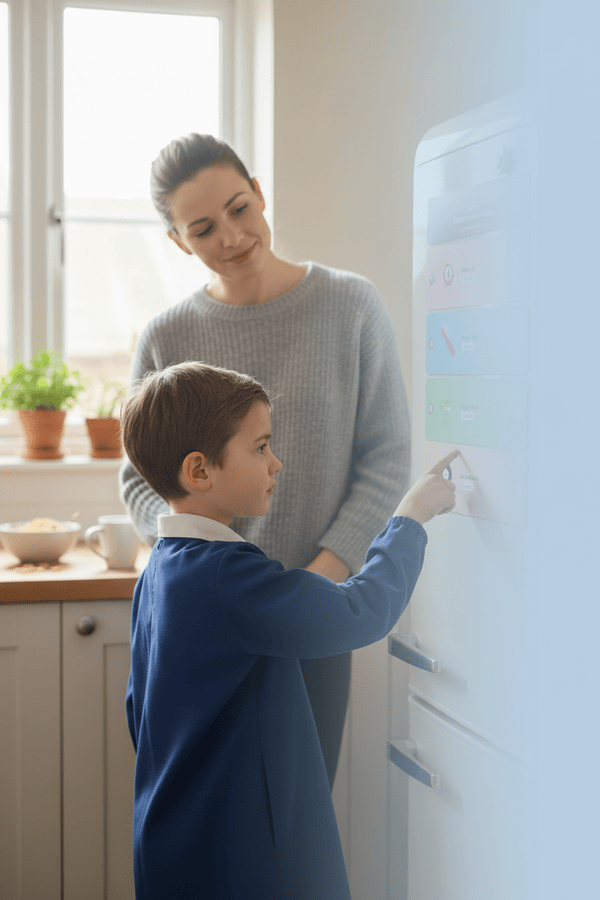
Timing and placement matter. Put the chart where chores happen and connect completion to natural privileges like playtime, screens, or outings. You do not always need money rewards. Many families use weekly choices instead, such as choosing Friday movie night. Keep language neutral and consistent: check the chart, then choose your next step. This keeps chore time from becoming emotional and helps your child learn self management instead of doing tasks only when reminded.
The preloaded chore template on this page includes practical starter tasks you can edit for your home. Adjust duration, add custom chores, and print a version for each child if needed. You can also create morning and evening chore sets so responsibilities feel predictable. Within a couple of weeks, most families notice less nagging, faster follow through, and stronger ownership from kids who know exactly what is expected each day.
What to include in your kids chores chart
Most families get the best results when the printable mirrors the real transition points that happen every day. For this chore chart for kids printable, that usually means keeping the routine anchored around make bed, put dirty clothes in hamper, put toys away, feed pet, and one final completion step your child can recognize without extra explanation. When the sequence is visible and realistic, children spend less time asking what comes next and more time moving through the routine with confidence.
This DaylyKid template already includes 6 editable steps, so you can shorten, rename, or reorder tasks without starting over. That makes it easier to build a reusable printable for school days, weekends, therapy days, or travel days while keeping the same visual language. Searchers looking for a chore chart for kids printable or kids chores chart usually want something practical they can print and use immediately, so the strongest version is the one your family can repeat consistently.
- Make Bed (5 min)
- Put Dirty Clothes in Hamper (3 min)
- Put Toys Away (10 min)
- Feed Pet (5 min)
- Set Table (6 min)
Tips for better follow-through with chore chart for kids printable
Review the chart before the routine begins, not only after resistance starts. Point to one next step, use short praise after completion, and keep your prompts consistent from day to day. Children are more likely to follow a visual plan when it feels like a shared roadmap instead of another correction delivered in the moment.
You can also improve follow-through by pairing the printable with simple environmental supports. Put the chart at eye level, lay out materials ahead of time, and use one predictable transition phrase so the routine feels familiar. Those small adjustments are especially helpful around make bed and put dirty clothes in hamper, because those moments tend to create the most friction when a child is rushed, distracted, or tired.