Why families use a visual schedule for kids with autism
A visual schedule for kids with autism provides predictability, which is one of the strongest supports for reducing transition stress. Verbal instructions can disappear quickly, especially during sensory overload or emotional moments. A visual routine remains stable and concrete. Your child can check what is happening now, what comes next, and what finished means. This reduces uncertainty and helps your child move through the day with less anxiety, fewer escalations, and more confidence.
For autism friendly schedules, keep the layout clear and uncluttered. Use short, specific task names and avoid abstract phrasing. Include built in transition cues such as first, then, and finished. Sensory regulation should be part of the routine, not an afterthought. Add planned sensory breaks, quiet corners, movement options, or calming tools where your child typically struggles. When support steps are visible on the chart, children learn that regulation is expected and safe, not a punishment.
How to make this visual schedule for kids with autism work at home
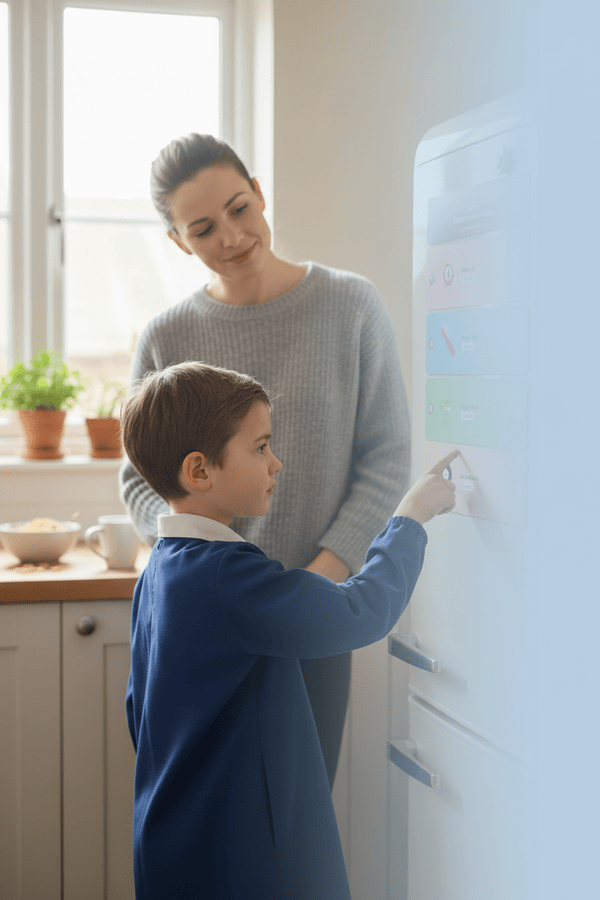
Start with a manageable number of tasks and expand slowly. Too many changes at once can increase stress, even when the intention is helpful. If your child has therapy, school, or transportation transitions, create versions for each setting while preserving core anchors like morning prep, meals, and bedtime. Pair the schedule with clear transition warnings and neutral prompting. Pointing to the chart is often more effective than repeated verbal cues when your child is already overloaded.
This page includes a preloaded autism focused routine template with practical transition and regulation steps. You can adjust wording to match your childs communication style, remove non essential tasks, and print the schedule for home use. Place it where transitions happen and review it at calm times, not only during stress. With consistent use, families often report smoother handoffs, less resistance, and stronger independent routine skills over time.
What to include in your autism routine chart
Most families get the best results when the printable mirrors the real transition points that happen every day. For this visual schedule for kids with autism, that usually means keeping the routine anchored around review visual schedule, morning self care, breakfast, transition cue: first then, and one final completion step your child can recognize without extra explanation. When the sequence is visible and realistic, children spend less time asking what comes next and more time moving through the routine with confidence.
This DaylyKid template already includes 8 editable steps, so you can shorten, rename, or reorder tasks without starting over. That makes it easier to build a reusable printable for school days, weekends, therapy days, or travel days while keeping the same visual language. Searchers looking for a visual schedule for kids with autism or autism routine chart usually want something practical they can print and use immediately, so the strongest version is the one your family can repeat consistently.
- Review Visual Schedule (4 min)
- Morning Self Care (12 min)
- Breakfast (15 min)
- Transition Cue: First Then (3 min)
- Learning Activity (20 min)
Tips for better follow-through with visual schedule for kids with autism
Review the chart before the routine begins, not only after resistance starts. Point to one next step, use short praise after completion, and keep your prompts consistent from day to day. Children are more likely to follow a visual plan when it feels like a shared roadmap instead of another correction delivered in the moment.
You can also improve follow-through by pairing the printable with simple environmental supports. Put the chart at eye level, lay out materials ahead of time, and use one predictable transition phrase so the routine feels familiar. Those small adjustments are especially helpful around review visual schedule and morning self care, because those moments tend to create the most friction when a child is rushed, distracted, or tired.